





Make positive, lasting changes to your life with Manchester Hypnotherapist Shaun Brookhouse – one of Manchester’s most respected hypnotherapists, hypno-psychotherapists and clinical supervisors. He focuses on solutions and outcomes to help clients achieve their therapeutic goals. He has over 35 years experience and has conducted over 40,000 therapeutic hours with clients.
Shaun’s practice Brookhouse Hypnotherapy Manchester is one of Manchester’s longest established and successful practices for hypnotherapy and hypno-psychotherapy, call to start your journey right now on 0161 881 1677 or you can book an appointment direct from this website HERE
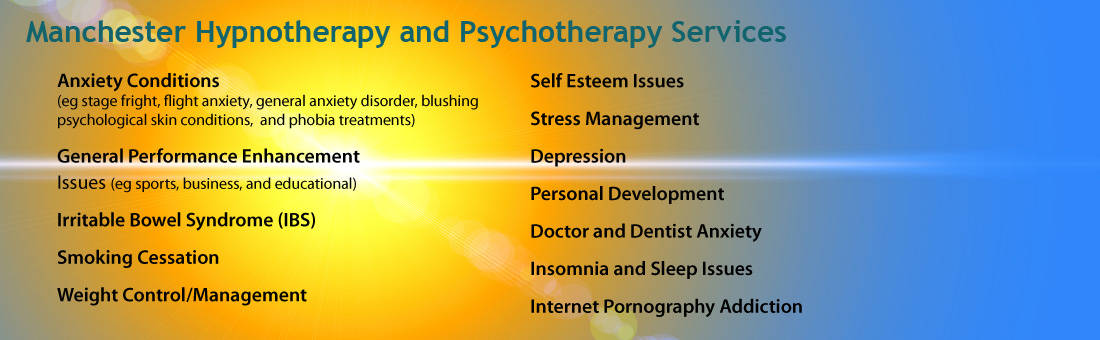
Brookhouse Hypnotherapy Manchester can help you achieve your goals and tackle issues such as insomnia, low self-esteem, addictions, anxiety and irritable bowel syndrome. (This list is not exhaustive to see the various conditions he works with click HERE).
Whether you are turning to therapy for the first time or you have had hypnotherapy and psychotherapy before, with Brookhouse Hypnotherapy Manchester, you can be confident that you are in experienced, safe, competent hands when you consult Shaun for assistance.
You should always ensure that the hypnotherapist you consult is appropriately qualified and registered to conduct the therapeutic work they advertise.
Ethical hypnotherapists will always answer any legitimate questions about their qualifications and experience.
How can Shaun help me with Hypnotherapy?
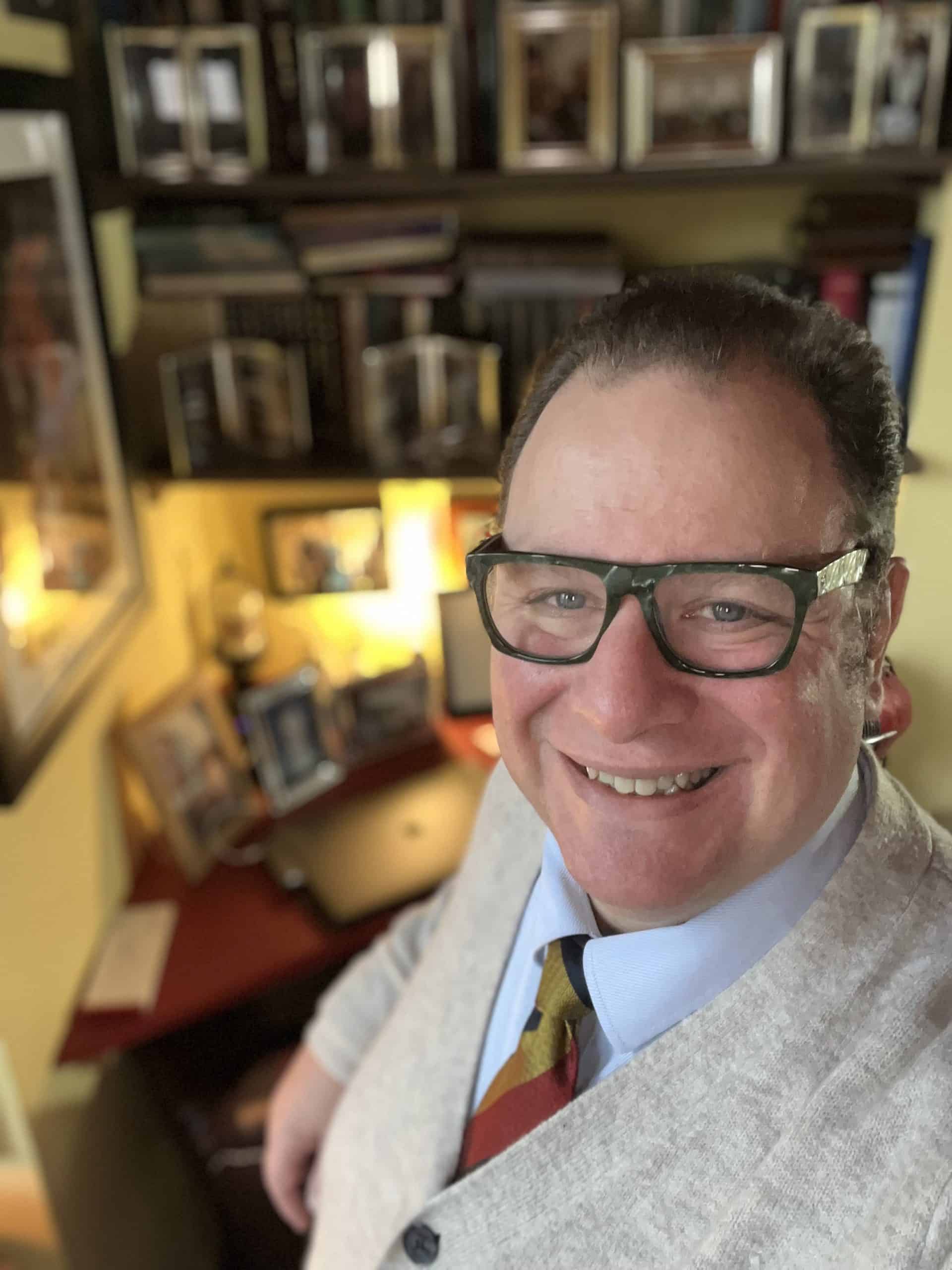
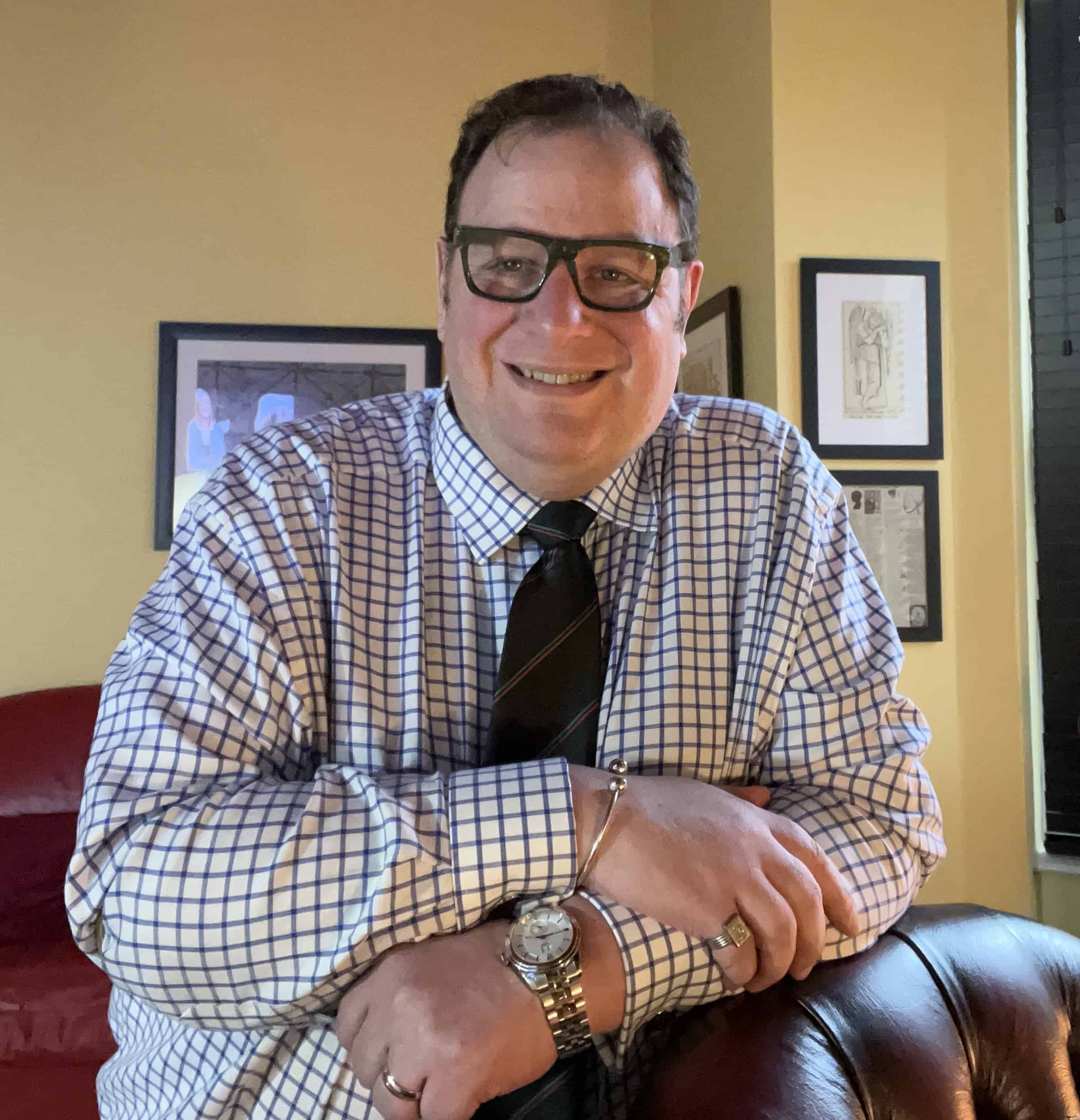
Shaun Brookhouse, Senior Accredited Hypno-Psychotherapist
With over 35 years experience in hypnotherapy, 31 years experience as a clinical hypnosis trainer and 30 years experience as a psychotherapist, Shaun Brookhouse has dedicated himself to being the finest therapist in his field.
Hypnotherapy Manchester since 1991: Shaun’s clients are given a unique therapeutic experience, tailored to their needs and capable of solving deep rooted problems through proven evidence based techniques.
Trust and integrity are crucial to any relationship between client and practitioner. In Shaun, thousands of people have found a Manchester hypnotherapist and psychotherapist who not only puts them at ease and makes them feel utterly comfortable, but achieves genuine, lasting results.
Experience and knowledge are essential for a good therapist. Shaun’s clinical skills are not only appreciated by his clients, but by other practitioners as well. He has trained many of the hypnotherapists currently practising in Manchester. This was through The London College of Clinical Hypnosis, The Washington School of Clinical and Advanced Hypnosis, The UK Academy of Therapeutic Arts and Sciences and finally The National College of Hypnosis and Psychotherapy. If you have seen hypnotherapists advertise that they hold the Hypnotherapy Practitioner Diploma (HPD), Shaun was involved there too, he co-created this qualification for the National Council for Hypnotherapy. You can can be confident that Shaun has the experience and knowledge to help you achieve your goals, he has dedicated the whole of his adult life to the professionalising of hypnotherapy and psychotherapy.
Additionally, Shaun is the Honorary President of the Brookhouse Hypnotherapy Group which currently includes 17 practices throughout the UK click here for details. He is also an Honorary Fellow of the National Society of Talking Therapies , an Accredited Member of both the National Council for Hypnotherapy and National Hypnotherapy Society and a Diplomate of the American Academy of Experts in Traumatic Stress and a Senior Accredited Member of the National Society of Counselling and Psychotherapy
Highly Qualified Hypnotherapy Manchester
In becoming a qualified hypno-psychotherapist, Shaun has completed two 4-year Masters Degree Level courses requiring more than 3600 hours of training in hypnosis and psychotherapy between them. He has also completed a Diploma in Psychotherapeutic Counselling which granted him accreditation as a Psychotherapeutic Counsellor
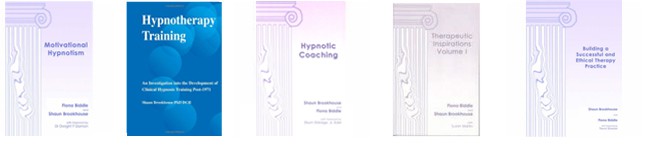
In addition to these qualification, he has also completed over 6000 additional hours of clinical training in hypnotherapy, psychotherapy, counselling, EMDR and clinical supervision which led to additional qualifications and certifications. These training hours also include specialist training in anxiety treatment, smoking cessation, brief solution focused psychotherapy, eating problems, and stress management. As the co-author of Motivational Hypnotism, Shaun Brookhouse has a clinical interest in issues regarding motivation and performance.
Hypnotherapy Manchester and hypno-psychotherapy are currently not statutorily controlled professions, which is not helpful when trying to find an ethical and competent practitioner. As there are many psychotherapy and hypnosis practitioners in Manchester, it is important that potential clients ensure they consult an appropriately qualified practitioner.
Psychotherapy using clinical hypnosis is a personal process, and a therapist should be able to adapt his/her approach to meet the needs of the client. In other words, there is no such thing as a “one size fits all” approach to helping people to resolve their issues. Shaun tailors his sessions to meet your needs. His goal is to conclude therapy at the earliest opportunity for the benefit of the client.
It is important to know that Shaun Brookhouse’s conduct is non judgemental, congruent, empathetic and Solution & Outcome Oriented when it comes to providing therapy. Shaun wants (as he is sure you do as well) the therapeutic process to be as pleasant and empowering as possible.
Online Therapy Manchester (and beyond!)
People are becoming busier and busier, but they still want ethical and effective therapy, in 2016 Shaun undertook a specialist certification to work with clients on-line. There are different considerations when working with clients on-line as opposed to  traditional face to face therapy, and Shaun takes the well-being of his clients very seriously. For information about this click HERE. So, if you cannot attend hypnotherapy in Manchester, for any reason, perhaps you might want to consider on-line therapy with Shaun at a time an place convenient for you. If you are interested, please contact Shaun HERE or you can book an appointment HERE
Brookhouse Hypnotherapy Manchester Knowledge
 Shaun undertook the first university research into the dynamics of hypnotherapy training at Liverpool John Moores University (1996-1998) Hypnotherapy Training in the UK: An Investigation into the Development of Clinical Hypnosis Training Post 1971. This was the dissertation for his Masters Degree in Education Studies. He also earned a CertEd in Post Compulsory Education, (validated by the University of Manchester) which was based in part on the course he developed in clinical hypnotherapy. Additioanlly, his Post Graduate Certificate in Clinical Supervision (University of Derby) was based in part on the model of supervision which he developed called the APT Model of Clinical Supervision (APT stands for Attitudes, Processes and Tools)
 Shaun has received two life-time achievement awards The Rexford L North Trophy, National Guild of Hypnotists, 2004 and The Hartland Memorial Award, National Council for Hypnotherapy, 2005 as well as the Pioneer Award for Leadership and Dedication to the Hypnotherapy Profession in the UK, 2001 (American Council of Hypnotist Examiners), and the Sealah Award and Induction into the International Hypnosis Hall of Fame, 2001. These were awarded in recognition of his work for the betterment of the hypnotherapy profession in the UK and world-wide.
In addition to his 5 books on hypnotherapy and associated subjects, on this website, Shaun has written over 1800 blog posts on a variety of subjects related to hypnotherapy, psychotherapy and other associated topics. The word count on these articles alone are over 300,000 words! To read some of his articles click HERE
You can be confident that Shaun KNOWS hypnotherapy inside and out.
Psychotherapy, Counselling, Hypnotherapy and Coaching
Shaun is often asked what the differences are in the services he provides. The following is a very good guide in showing the various services he provides allowing you to make an informed choice as to which one(s) would be best for you:
Psychotherapy: the resolution of distress through relief of suffering and the correction of maladaptive habits, conflicts and attitudes from painful and symptomatic (“abnormal”) dysfunction to asymptomatic or (“adequate”) functionality.
Counselling: the exploration of life choices and/or dealing with current situations through resolution of dilemmas and improvement of strategic coping from frustrating, impaired (‘inadequate’) adaptation to competent or (‘normal’) adaptation.
Hypnotherapy: the resolution of problematic behaviour, thoughts and/or emotions through access to unconscious resources from un-resourced (‘maladaptive’) living to effective (‘normal’) living.
Coaching: the optimization of unrealized potential through development of talent and refinement of effective skills from unsatisfying, limited (‘average’) performance to enhanced or (‘outstanding’) effectiveness
Adapted by Brookhouse, SJF and Biddle, F (2017) from Orlinsky, D. Collaborative Research: How Different Are Coaches and Therapists? Presented at the International Coaching Federation Conference, Long Beach CA, Nov. 2007. This table may be reproduced in whole or in part with all parties duly cited.
What is hypnosis?
The American Psychological Association‘s Division 30 (Society of Psychological Hypnosis) in 2014 has defined hypnosis as “A state of consciousness involving focused attention and reduced peripheral awareness characterised by an enhanced capacity for response to suggestion*” (Elkins et al,2015 p 6) So as you can see hypnosis is something that is natural and nothing at all to be concerned about. It certainly is nothing like it is portrayed in the popular culture. *Elkins, G,R & Barabasz, A.F., Council, J.R & Spiegel, D, (2015) Advancing Research and Practice: The Revised APA Division 30 Definition of Hypnosis, The International Journal of Clinical and Experimental Hypnosis Vol 63, Issue 1, pp. 1-8
What is hypnotherapy?
Hypnotherapy is a form of therapy which takes place using hypnosis a time when the mind is in an altered but completely comfortable and controlled state of consciousness. While in the hypnotic state it has been shown that skilled hypnotherapists can help clients achieve tremendous results, exploring the powers of their mind and tackling deep rooted issues. Shaun’s extensive expertise in utilising clinical hypnosis with psychotherapy has made him one of the most highly regarded practitioners and teachers of hypnotherapy in Manchester generally and Whalley Range specifically.
What is the difference between hypnotherapy and hypno-psychotherapy?
Hypno-psychotherapy demands a more developed clinical grounding in hypnotherapy and psychotherapy, encompassing work not only in hypnosis, but also in mental health practice, ethics, psychopathology, human development and sexuality, diversities, psychodynamic psychotherapy, humanistic psychotherapy, and cognitive behavioural therapy all under dedicated, and verifiable clinical supervision. This training is conducted over a minimum of 4 years at Masters Degree Level.
Shaun Brookhouse uniquely, has completed not one, but two of these programmes. Hypno-psychotherapists have a far greater range of techniques and approaches at their disposal to assist clients with their treatments, able to utilise both hypnotic and psychotherapeutic interventions. Hypno-Psychotherapy is still brief therapy, but a hypno-psychotherapist can employ both hypnotic and psychotherapeutic based interventions in order to assist clients reach their goals. These interventions are based on Evidenced Based Practice. The approach Shaun favours is Solution Focused, which means that he focuses on the solution(s) to your issues rather than exclusively on the issue itself. This makes for a more positive and affirming therapeutic experience for his clients.
Ericksonian Hypnotherapy Manchester:
Shaun Brookhouse has undertaken extensive training in what is known as Ericksonian Hypnotherapy which is based on the work of American Psychiatrist Milton H Erickson. Erickson is considered by many in the profession as the “father of modern hypnotherapy”
The Ericksonian approach to hypnotherapy is a novel use of specific language patterns, fractionalisation, utilisation, and metaphor which are woven into the hypnotic intervention. Shaun not only practises this approach, he has taught it to practitioners world wider at a variety of professional conferences and symposia. This approach also tends to me more creative than the more traditional approaches to hypnotherapy.
Manchester Hypnotherapy Educator and Teacher:
As an experienced practitioner and educator, Shaun has trained other hypnotherapists, psychotherapists and hypno-psychotherapists since 1993. Shaun Brookhouse, having retired from teaching in 2020 was the 5th Principal of the National College of Hypnosis and Psychotherapy. The NCHP is accredited by the UK Council for Psychotherapy, and the European Association for Hypno-Psychotherapy. So whether it is for training or clinical hypnotherapy Manchester this website should provide you with all the information you need.
Books by Shaun Brookhouse
 In recognition of the knowledge, experience, training and education in working with survivors of traumatic events and/or crisis management, Shaun was granted Diplomate Status within the American Academy of Experts in Traumatic Stress.
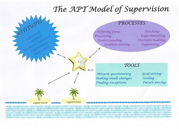 Since 2001 I have been providing supervision for hypnotherapists in Manchester as well as throughout the UK. Sessions can be face to face, one to one, groups or on Zoom, WhatsApp, SKYPE or FaceTime. I provide supervision in accordance with the requirements for practitioner registered with UKCP, NSTT, NCH, NCPS and HS as well as other professional bodies for hypnotherapy and psychotherapy.
 I have recently completed a specialist certification programme in Clinical Traumatology in order to assist my clients with PTSD more effectively. Trauma work requires specialist training beyond a practitioner's initial training.
 I have presented courses, seminars, after dinner speeches and workshops in the UK, Europe, USA, Australia and the Far East on various aspects of hypnosis and psychotherapy. To date, I have presented over 50 programmes at international hypnotherapy and psychotherapy conferences around the world. If you want a dynamic and entertaining after dinner speaker, get in touch.
